Field notes: the barn that quietly became a guesthouse, propane tank included
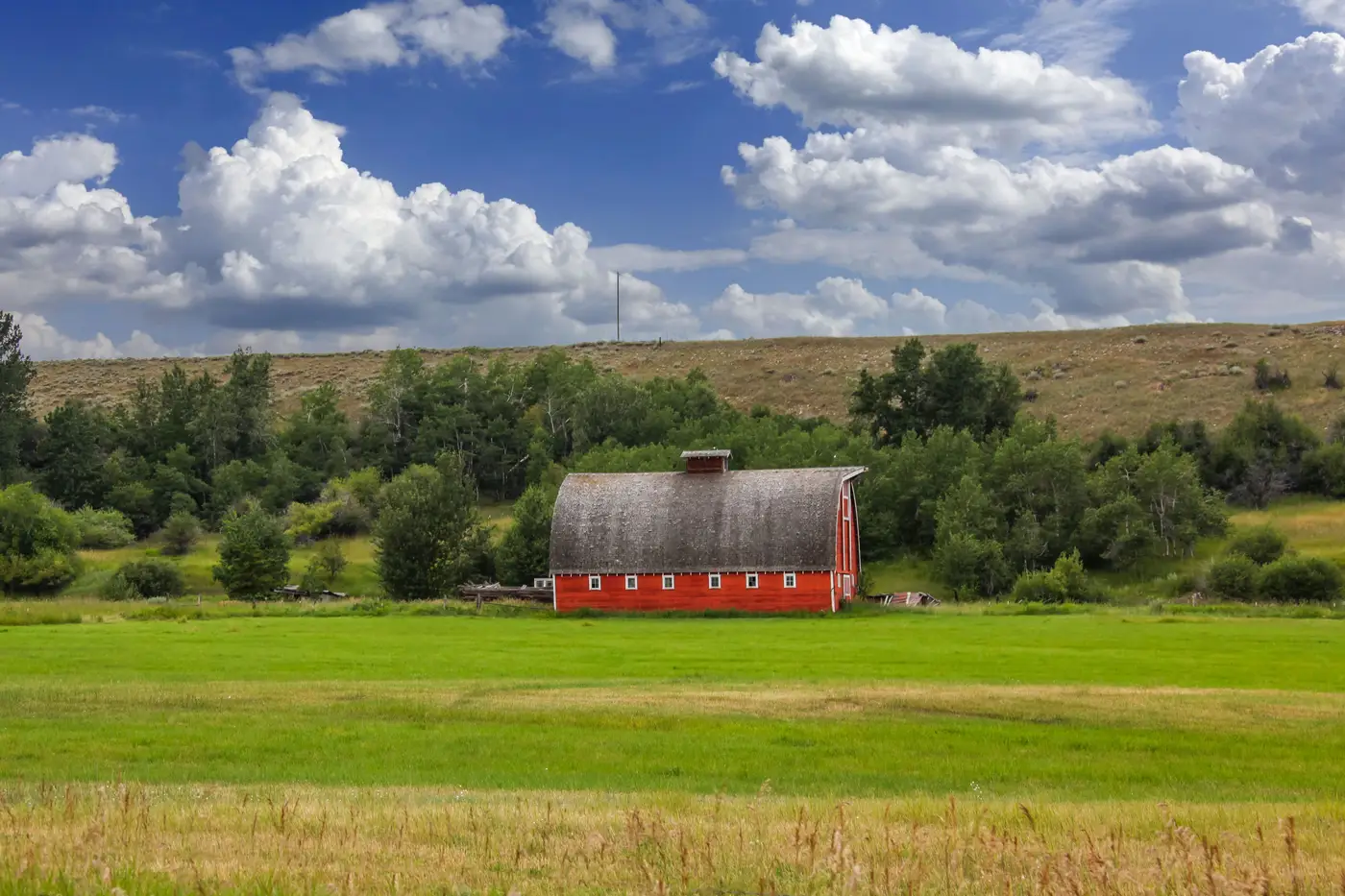
Every inspector who's worked rural or semi-rural parcels has a version of this one. A barn goes up years ago with an ag exemption or a simple accessory-structure permit, the kind that gets a quick sign-off because it's for hay, equipment, maybe a tractor. Most departments don't look at it again until something else prompts a visit. Then a few years pass, the aerial imagery updates, and there's a propane tank sitting next to it that wasn't there before.
That tank is the tell. Barns for storage don't need heat. Guesthouses do. Somewhere between the exemption and today, a window got cut into the gable end, a stovepipe went in, and the structure stopped matching what the permit described. The owner never filed anything for that work because, to them, it read as an upgrade to the barn rather than new construction. On the parcel file, though, it's an unpermitted dwelling unit with no inspection history, no setback check, no occupancy review, and often no septic capacity to support it.
This is the category of case that the complaint pipeline is structurally bad at catching. The neighbors who might notice are often the same neighbors who don't call, either because they don't mind, or because reporting a guesthouse next door feels like a bigger act than reporting a loud dispute. Drive-by inspection routes skip these parcels because there's nothing visually wrong from the road. The barn still looks like a barn. The propane tank reads as a farm upgrade unless someone stops and asks why a hay barn needs 120 gallons of fuel capacity.
What gives it away is the sequence. A permit record showing an ag-exempt accessory building from, say, 2014, sitting next to a 2022 satellite pass that now shows a tank, a new roof vent, and a gravel pull-in where there wasn't one before. None of those three things alone is damning. Together, on a parcel with no corresponding permit activity in the intervening years, they add up to a pattern worth a look.
The frustrating part for a lot of departments is that this kind of discrepancy sits there for years, invisible, until a sale, a refinance appraisal, or a code complaint about something unrelated finally surfaces it. By then the owner has usually been renting the thing out, sometimes for long enough that the back taxes and fines conversation gets ugly fast, for the department and the property owner both. Catching it at year one instead of year seven changes that conversation from an enforcement action into a straightforward "let's get this permitted" call.
That's the gap a quarterly, parcel-level comparison between what's built and what's on file closes. It runs the whole jurisdiction's structure footprint against the permit register on a schedule, so a barn that picks up a guesthouse profile shows up on a list instead of staying invisible until someone trips over it. Unpermitted Construction Detection runs that comparison every quarter across the roll, instead of waiting on a complaint to land on one parcel at a time.
If your department is still finding these the old way, through a tip, a listing photo, or an appraiser's note, it's worth seeing what shows up when the comparison runs the other direction first.