Field notes: the shed that became a guesthouse by the time we drove by
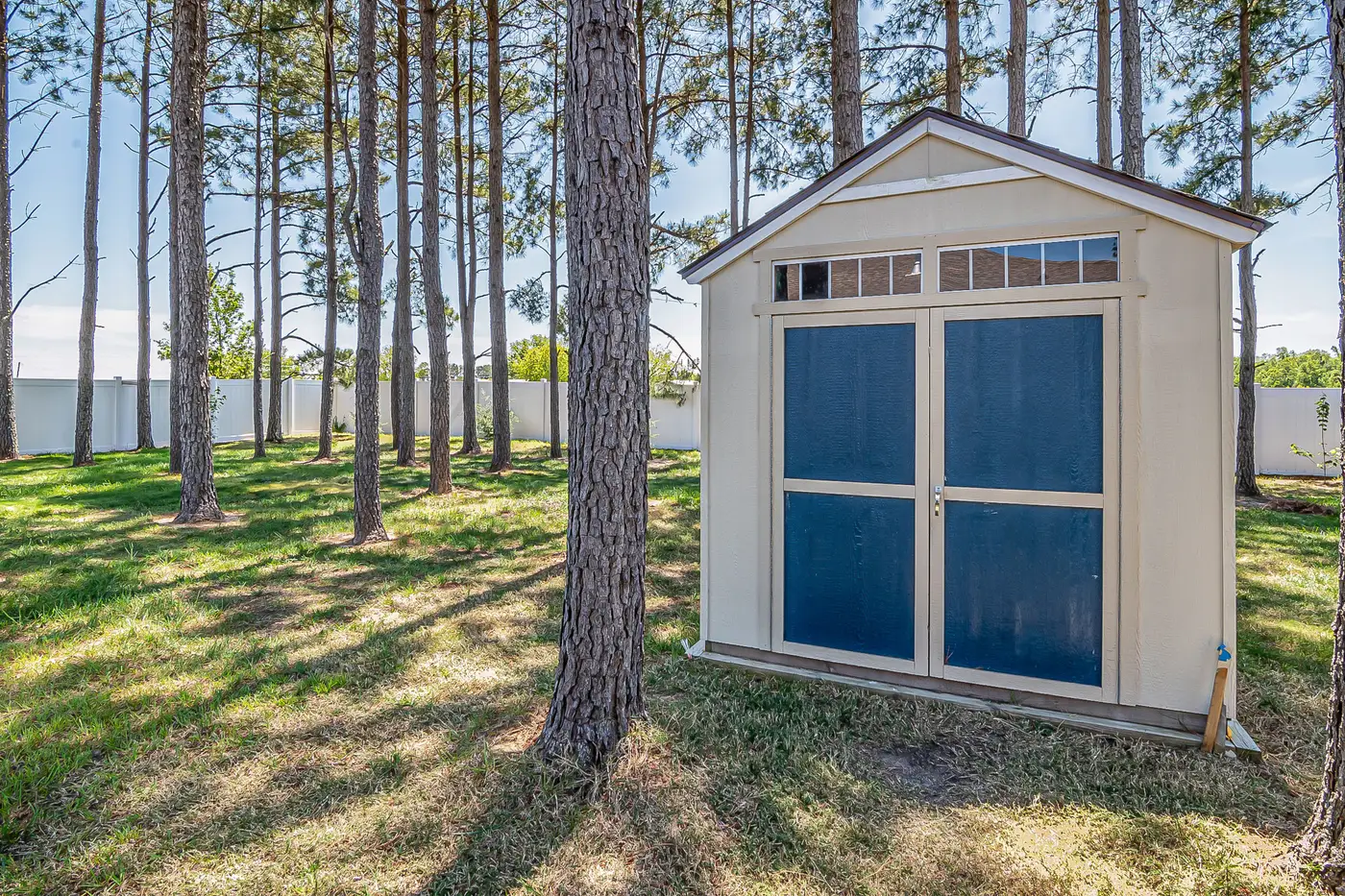
We pulled the permit file before the site visit, the way you're supposed to. One sheet, dated fourteen months back: 10x12 storage shed, rear yard, no electrical, no plumbing, setback confirmed. Standard accessory structure permit, the kind that clears the counter in one pass because nobody's fighting about a shed.
By the time our inspector got out there, the shed had a window box.
Not in the permit. Neither was the second window, the one on the side wall facing the neighbor's fence line, double-hung, with a screen. The mini-split bolted to the back wall wasn't in it either, the kind you buy off a pallet at the hardware store and run a line set through a cored hole. And nobody had permitted the little covered stoop with two deck boards and a motion light, a small thing until you notice it's sized exactly for someone to stand there wiping their feet before they go inside to live.
This is not a story about a bad actor. The owner wasn't hiding anything when the inspector knocked, he walked out from the shed himself and said something close to "my mother-in-law's been staying out there since the spring, it gets cold so I put in the heat pump." He'd pulled a permit for a shed and built a studio. In his head those are adjacent categories. In the zoning code they are not, and the gap between them is exactly the kind of thing a drive-by only catches if you happen to drive by.
That's the part worth sitting with. We didn't find this because a neighbor called it in, and nobody had a reason to. The shed is set back, screened by a hedge, doesn't throw light where anyone would notice it, and the lot isn't on anyone's complaint list. If the inspector hadn't had an unrelated reason to be on that block that week, closing out a fence variance two doors down, this file sits untouched until the next routine cycle, whenever that is for a parcel with no complaint history.
Accessory structure enforcement runs almost entirely on this kind of accident. A shed permit is low-stakes enough that nobody schedules a final inspection the way they would for a home addition, and even where a final is required, it's confirming the thing that was permitted, not auditing for additions since. Once the CO issues or the permit just ages out of anyone's attention, the structure effectively disappears from active review. What happens to it after that is between the owner and whoever notices next, and increasingly, nobody notices next.
People work from home more, backyards do more work than they used to, and a shed is one of the easiest structures in the code to upgrade past its permit, because the baseline expectation for a shed is already so low that small additions don't look out of place to a neighbor driving past. A window doesn't read as a code violation. A mini-split doesn't read as a code violation. Stacked together with occupancy, they are one.
We're not going to pretend we have a system for catching every one of these before someone happens to drive by. Nobody does, not with a staff that's also covering demo permits, pool enclosures, and the commercial corridor. But it's the kind of gap that makes the case for checking the built footprint against the permit file on some kind of schedule rather than on luck, because luck has an obvious failure mode: it only works on the blocks you're already visiting for another reason. Unpermitted Construction Detection was built around exactly this blind spot, running a quarterly comparison of what's actually standing against what's on file so accessory structures like this surface on their own instead of waiting for a fence variance next door.
If your shed files haven't been looked at since the permit closed, it might be worth finding out what's grown up around them.