Field notes: the subdivision where every pool got a permit and every patio cover didn't
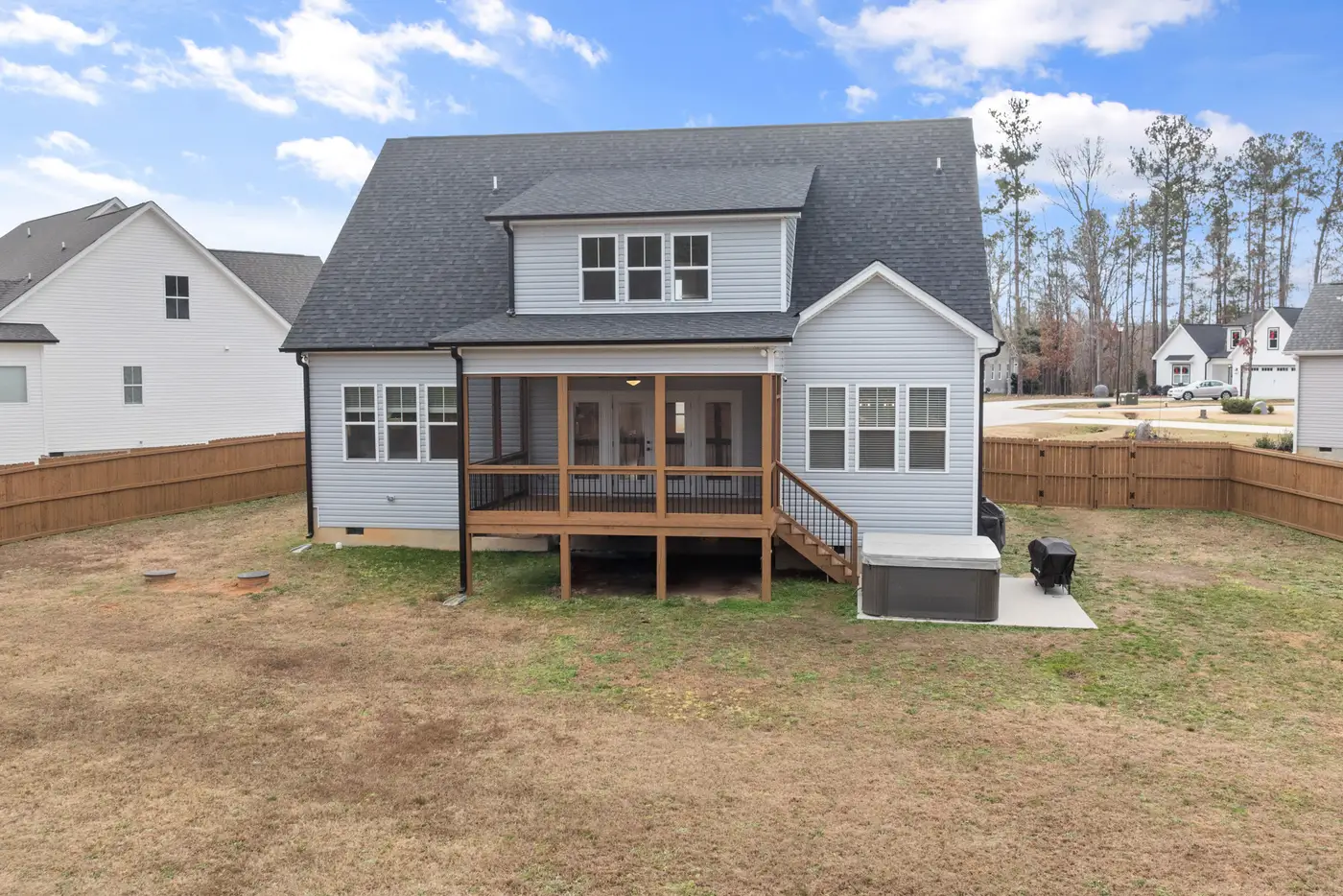
Every planning department has a subdivision like this one. Built out in two phases between roughly 2014 and 2019, curving streets, big lots, the kind of place where a third of the homes eventually put in a pool. Pull the permit register for that neighborhood and something jumps out before you even cross-reference anything: pools are permitted at something close to 100 percent. Patio covers are permitted at something close to zero.
It's worth sitting with that for a minute, because it's not a coincidence and it's not laziness on the homeowner's part either. It's two different risk calculations, and the homeowners are making the correct one for themselves even as they create a stack of files for us.
A pool is expensive enough that it goes through a contractor, and the contractor pulls the permit because the license is on the line and because the pool needs a final inspection before the utility will energize the equipment pad. There's also the barrier requirement. A pool builder who skips it is one unfenced-hazard complaint away from a license hearing, so for most of them the permit gets pulled as a matter of course, almost a side effect of doing the job the way the trade does it.
A patio cover is a different animal. Some of them get built by a handyman, some by the homeowner on a weekend with a rental saw, and the rest come from a company that sells attached shade structures door-to-door in June and tells the customer, not always wrongly, that it's a cosmetic addition and won't trigger a permit review. Sometimes that's true depending on footing depth and attachment method. A lot of the time it isn't, and the distinction is exactly the kind of thing that doesn't survive a sales pitch.
So you end up with this neighborhood where the pools, the big-ticket items, the ones a homeowner would assume need the most paperwork, are clean. And the patio covers, the things that look like they shouldn't need a permit at all, are the ones quietly extending the footprint of the house, sitting over gas lines and electrical for the pool equipment, sometimes built right up against the easement.
The reason this pattern matters isn't the patio covers themselves. Most of them are fine structurally, and most of the owners weren't trying to hide anything. They just didn't know, or they knew and decided the odds of a complaint were low. The reason it matters is that it tells you where to look. If pools in this subdivision are compliant at nearly 100 percent, you don't need to spend inspector time re-verifying pools. Spend it on the accessory structures nobody thinks of as structures: the covers, the detached cabanas that turned into pool houses, the enclosed lanais that started as screened patios.
That's the thing about working a permit backlog by complaint. You only ever hear about the patio cover once it's already built and roofed, and the neighbor finally calls because the new shade is blocking their view or dropping runoff onto their side yard. By then it's a code case instead of a plan check, and everyone involved, the homeowner, the inspector, the department, has a worse afternoon than they needed to.
What we've started doing instead is running the built environment against the permit file every quarter for the whole jurisdiction, parcel by parcel, so the gap between what's standing and what's on paper shows up before someone else reports it. Run that kind of quarterly, parcel-level comparison across your own subdivisions and you'll likely find the same shape: pools clean, patio covers not, and a handful of other accessory structures you'd never have gone looking for otherwise.
If this is the gap you keep running into at your own desk, we'd like to show you what a quarterly reconciliation looks like for your jurisdiction.