How often should you resurvey a jurisdiction for unpermitted construction?
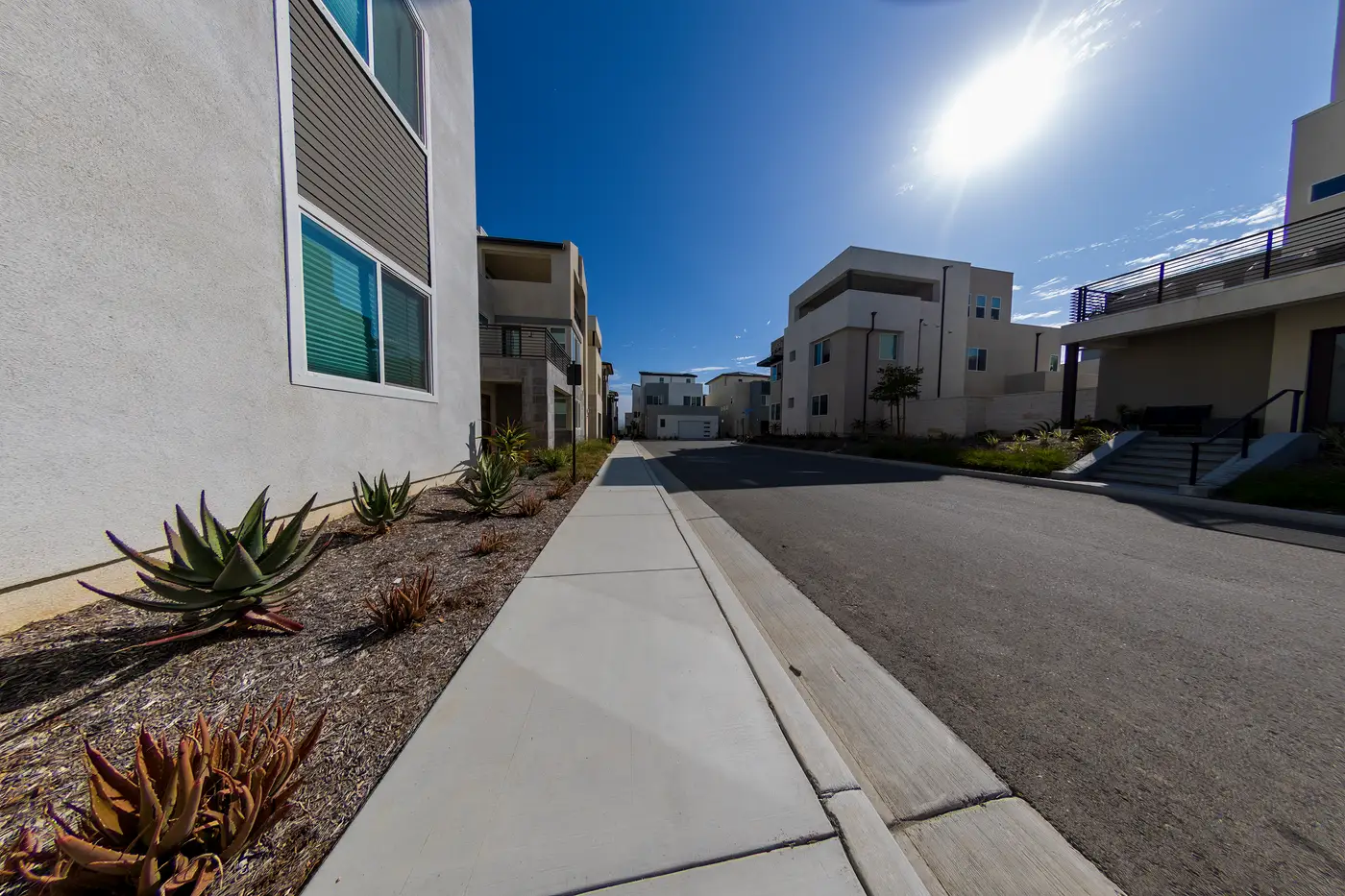
Most departments don't have a resurvey interval. They have a complaint queue. Someone calls about the neighbor's new shed, an inspector drives by, and if the file doesn't show a permit, it gets red-tagged or it doesn't. Whoever picked up the phone that week decides what gets looked at.
So when someone asks how often a jurisdiction should resurvey for unpermitted construction, the honest answer starts with what you're comparing it to. Against "we wait for complaints," almost any fixed interval is an improvement. Against "we send inspectors out annually to drive every block," the right cadence depends on how fast your jurisdiction builds and how long an unpermitted addition sits before it becomes a liability, insurance, or life-safety problem.
Why complaint-driven catches less than it feels like
Complaints are a sampling method, and a biased one. A rental conversion in a quiet cul-de-sac might sit for years with nobody calling it in. A pool enclosure finished over a long weekend rarely gets reported before it's done. The structures that do generate calls skew toward whatever annoys a neighbor, regardless of whether a permit condition is being violated.
Annual drive-by surveys fix some of that bias but introduce a timing problem. A lot can get built, occupied, and sold between visits. By the time a parcel comes up in the rotation, the addition is finished, drywalled, and the original contractor is three jobs away. Enforcement at that point means unwinding something already lived in, which is a much harder conversation than catching a foundation pour.
What a quarterly cycle changes
A quarterly reconciliation, built environment checked against the permit register four times a year instead of once, shortens that window considerably. Work that starts in January and the previous survey missed doesn't get another eleven months to finish before anyone looks again. It gets flagged in the next pass.
This matters most for the categories that don't generate complaints: rear additions that face an alley instead of a street, infill on a lot nobody's watching, accessory structures built inside a setback where a neighbor's view doesn't change. These are exactly the cases where the permit file is the only record that should exist, and a quarterly check is what catches the gap between what the file says and what's standing on the parcel.
Four surveys a year costs more staff time than one, when it's run with inspectors and windshield time the way most departments run enforcement today. That cost, more than any judgment that annual coverage is sufficient, is why most jurisdictions default to annual surveys or "as complaints come in": quarterly used to mean quadrupling the inspection budget.
Setting your own interval
If you're deciding this for your own jurisdiction, a few questions matter more than a generic rule:
How fast is your permit volume growing? A jurisdiction issuing a few hundred residential permits a year has a different tolerance for a long resurvey gap than one issuing a few thousand.
How long does unpermitted work typically sit before it surfaces another way, through a sale, a refinance appraisal, an insurance claim, a neighbor dispute? If that's usually under a year, an annual survey is already behind.
What's your current detection method actually catching? If it's complaints and the occasional drive-by, you likely don't know your baseline miss rate, and that uncertainty is itself an argument for a tighter cycle until you have a better read on it.
Quarterly is the interval that matches how fast a foundation turns into a finished addition, short enough that a missed structure doesn't get a full year of cover before someone finally looks at that parcel again. Unpermitted Construction Detection runs that comparison every quarter using very-high-resolution satellite imagery, checking the built footprint against your permit register and handing back a flagged list keyed to parcel, no drive-by required to start the list.
If your department is still working off complaints and whoever's next in the inspection rotation, it might be worth seeing what a quarterly parcel-level comparison would have caught in your own jurisdiction.