How to prioritize code enforcement site visits across a jurisdiction
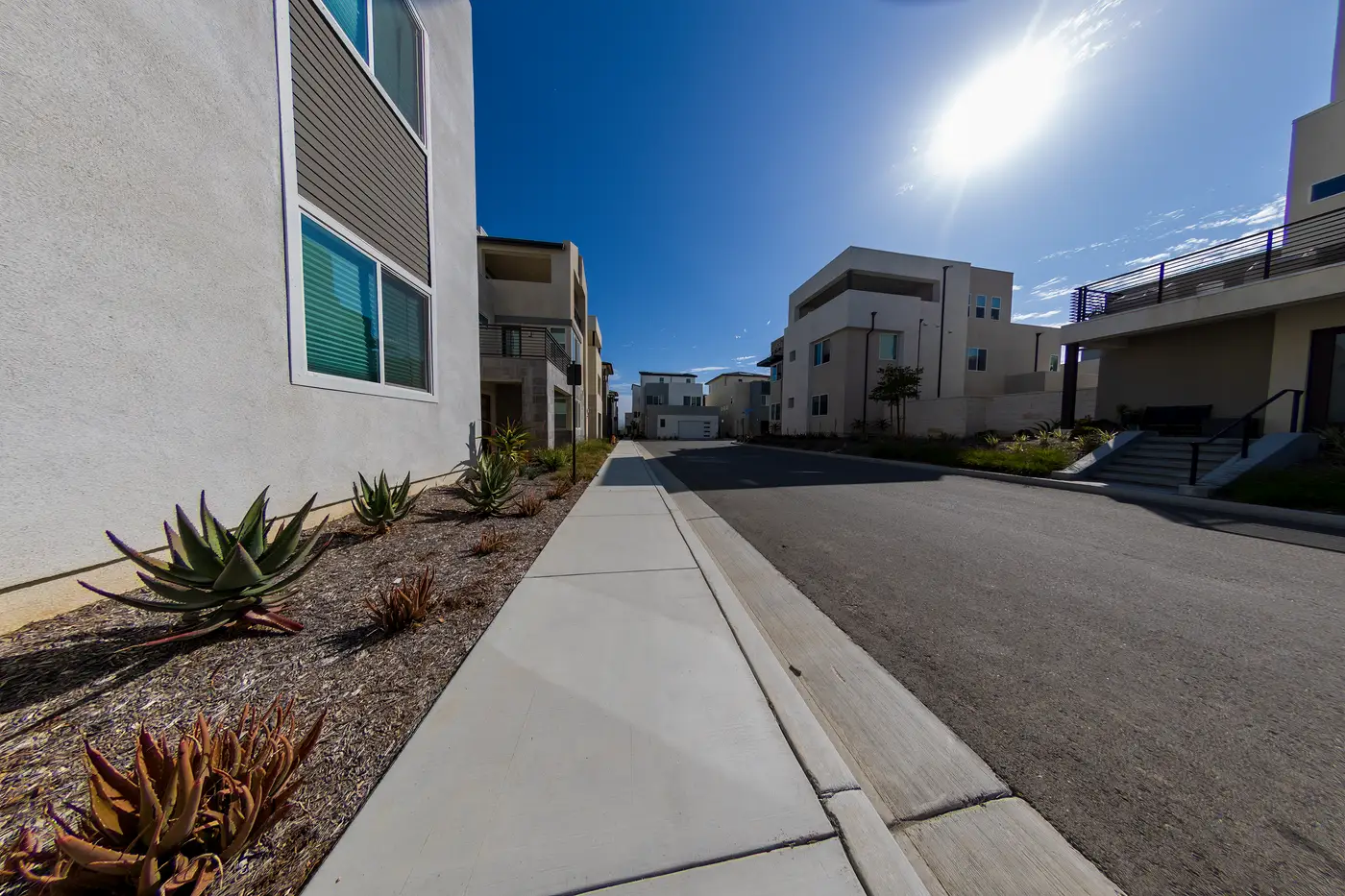
Most code enforcement divisions run on the same math problem: a handful of inspectors, a few hundred open complaints, and a jurisdiction with thousands of parcels nobody has eyes on. The complaint queue tells you where someone called. It doesn't tell you where the biggest violations actually sit, or whether the loudest neighbor dispute is worth more field time than a quietly built accessory structure three blocks over that nobody's reported yet.
Prioritizing visits well means ranking by what's at stake on the ground, not by who called first.
Why complaint order isn't priority order
A complaint-driven queue rewards whoever's willing to pick up the phone. That skews toward disputes between neighbors, which are real but often low-stakes compared to, say, an unpermitted second story or a garage converted to a rental unit without inspection. Meanwhile the properties nobody complains about, because the owner hasn't annoyed anyone yet, sit untouched for years. Staff end up triaging by inbox order instead of by actual risk: life-safety issues, zoning violations with real tax or density impact, or additions that will be nearly impossible to retrofit once drywall goes up.
The fix is a ranked list that reflects the built environment itself, independent of who's complained.
Building a parcel-level flagged list
A useful prioritization method starts with a jurisdiction-wide comparison: what's built against what the permit register says was approved. Run that comparison and you get a list of parcels where something doesn't match, each one tied to an address and a permit history your staff can pull up before they ever drive out.
From there, ranking gets simpler because you're sorting real discrepancies instead of guessing at severity from a phone call:
- Size of the gap. A 400-square-foot addition outranks a 40-square-foot shed, most of the time.
- Zone sensitivity. Infill in a flood zone or a fire-hazard severity zone deserves a faster visit than the same square footage in a low-risk zone.
- Age of the discrepancy. Something that's been standing for three years and still isn't permitted is a different conversation than something that went up last month.
- Clustering. Three unpermitted additions on the same block might point to one contractor working without permits, which changes how you approach the whole block.
None of that requires a new complaint. It requires a list that's already sorted before your inspectors get in the truck.
What this does to inspector workload
The practical upside is fewer wasted drive-bys. Instead of sending someone out on a tip that turns out to be a fence dispute, your team works down a list where every entry has already been confirmed against the parcel and permit record. Field time goes to parcels with a real discrepancy, in the order that matters to the department.
It also changes what "backlog" means. A backlog of unverified complaints is just noise sitting in a queue. A backlog of confirmed, ranked discrepancies is a work plan. Council members and department heads tend to respond differently to the second one when they ask what enforcement has been doing.
Where the flagged list comes from
Getting to that list without a line-by-line manual review of every parcel is the hard part for most jurisdictions, which is exactly the gap Unpermitted Construction Detection is built to close: a quarterly comparison of the built environment against your permit register, producing a flagged list keyed to parcel so you're not relying on drive-bys or complaints to find the work that was never declared.
If your enforcement queue is running on complaints alone, it's worth seeing what a parcel-level flagged list would look like for your jurisdiction.