How to tell a full unpermitted rebuild from a permitted remodel
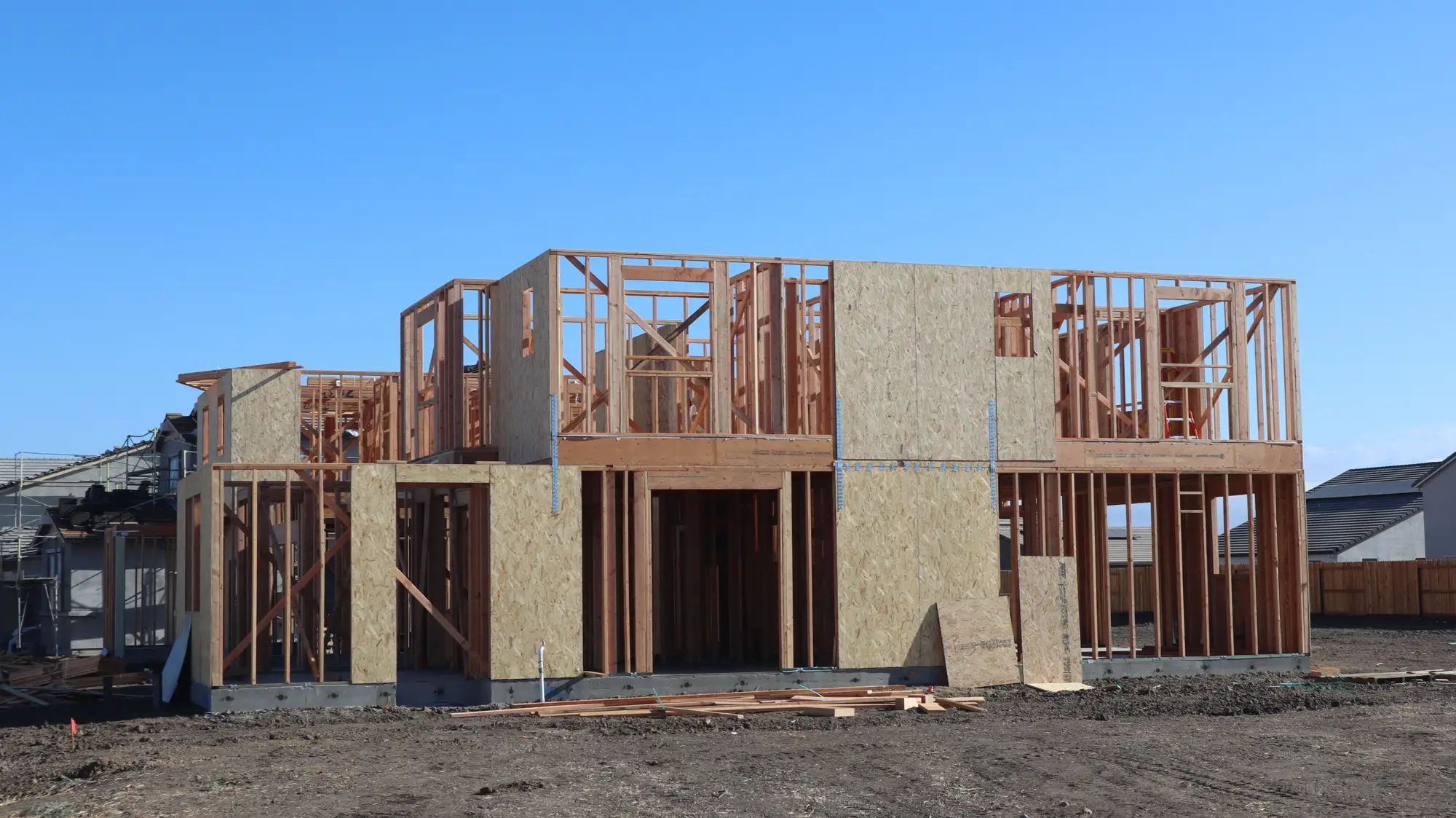
A remodel permit and a teardown are supposed to leave very different marks on a parcel. In practice, plenty of homeowners pull a "remodel" or "repair" permit, demo the structure down to the slab, and rebuild something that's permitted on paper but never inspected as what it became. By the time a neighbor complains or an appraiser flags it for the assessor, the walls are closed up and the only record left is a permit that describes a kitchen remodel sitting on top of a house that was fully replaced.
Telling the two apart from above, or from a desk, comes down to a handful of things that change (or don't) between the permit date and the photo date.
What the permit file should show
A legitimate remodel, even an extensive one, usually preserves the bones of the structure. The permit record will typically specify scope: interior reconfiguration, a kitchen or bath, a roof replacement in kind, maybe an addition with a defined square footage and setback. What it won't describe is a new foundation footprint, because a real remodel doesn't need one.
So the first question when you pull the file is whether the structure on the parcel today matches the footprint the permit assumes. If the permit was issued for a 1,400-square-foot ranch and the structure now reads as a two-story with a different roofline and a footprint fifteen feet wider, that's not a remodel anymore. That's a rebuild wearing a remodel's paperwork.
Reading the footprint against the record
A few signals separate a genuine renovation from a structure replaced without new permit:
- Footprint outline. A remodel keeps the slab or foundation perimeter stable. A rebuild moves it, usually to pick up square footage or push closer to a setback line.
- Roof geometry. Pitch, ridge line and the number of roof planes change when a structure is demolished and rebuilt, even if the new roof uses similar materials. In-kind reroofing doesn't touch geometry.
- Shadow and height. A story added without a permit shows up as a longer shadow at the same time of day and sun angle, compared to the prior pass.
- Site disturbance. Full teardowns leave a window of bare slab, exposed foundation or staging equipment on the parcel between quarters. A remodel in progress usually keeps the existing exterior walls standing the whole time.
- Setback distance. Measure from the parcel line to the nearest wall in both periods. A rebuild that drifted closer to a side or rear setback than the original structure is a strong tell, and it's often the detail that matters most once it reaches a variance hearing.
None of these require a site visit to flag. They're comparisons between two imagery passes and the geometry the permit file assumes, and they're the kind of thing a field inspector would catch on a walk-through, if anyone had a reason to schedule one.
When demolition without a permit is the real finding
The harder case is the one where there's no remodel permit at all, just a demo that happened quietly and a new structure that went up in the gap between inspection cycles. The comparison here is photo-versus-photo: footprint, roofline and footprint area at time A against the same parcel at time B, with no permit record bridging the two. If the structure changed and the permit register shows nothing filed, that's demolition without a permit and a new build that was never declared, which is a different enforcement path entirely from a remodel that exceeded its scope.
Most departments only catch either version through a complaint, a sharp-eyed appraiser, or a drive-by that happened to hit the right week. That's the gap Unpermitted Construction Detection is built to close, running the built footprint against the permit register parcel by parcel on a quarterly cycle, so a footprint that outgrew its permit, or appeared with no permit at all, shows up on a flagged list instead of waiting for someone to notice from the street.
If your jurisdiction is leaning on complaints and spot checks to catch this, it's worth seeing what a parcel-by-parcel pass against the permit register actually turns up.