Permitted vs. unpermitted additions: reading satellite imagery right
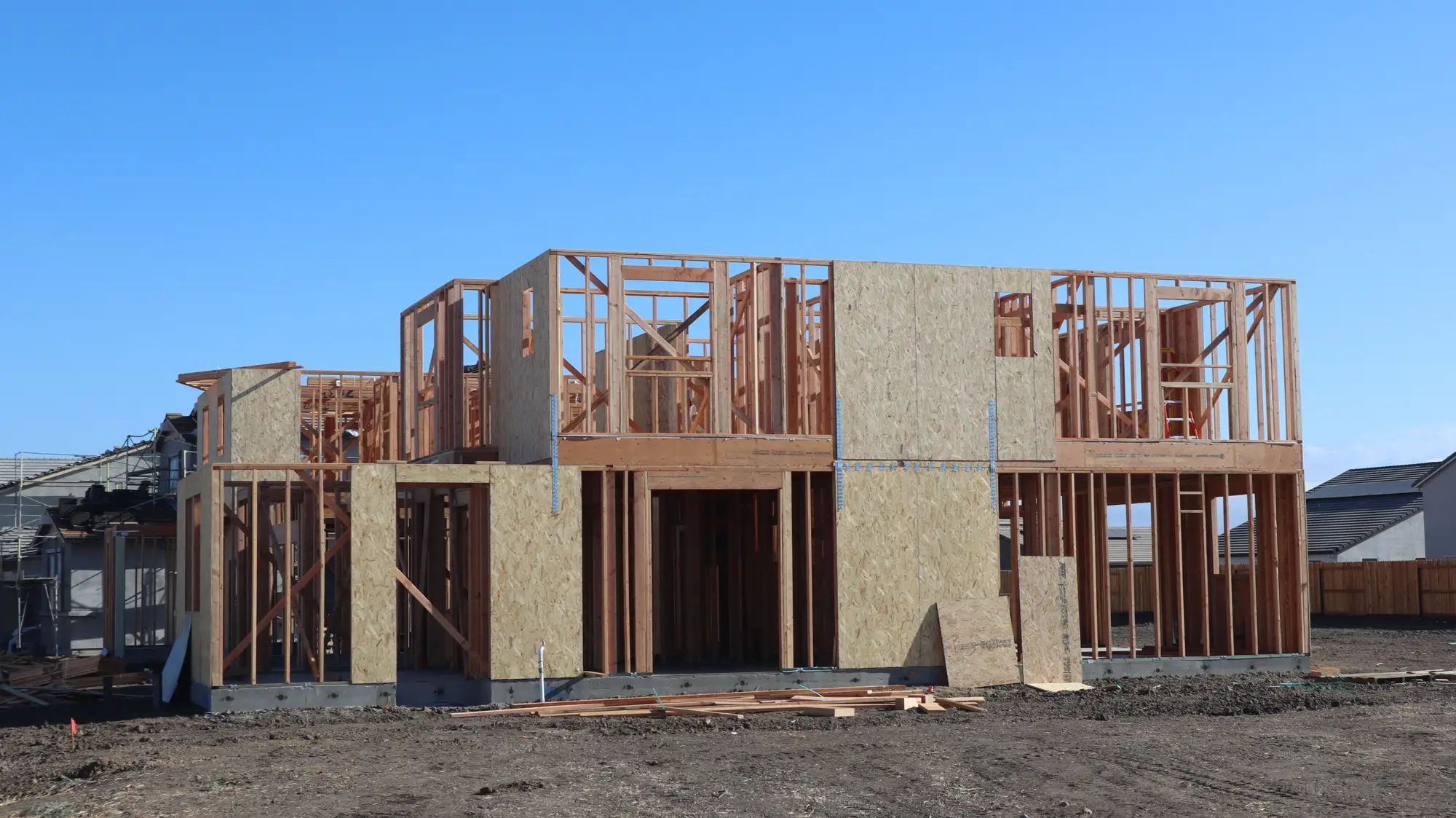
A homeowner builds a 400-square-foot addition off the back of the house. Another homeowner builds the same size addition off the back of theirs, three streets over. One pulled a permit. One didn't. From the imagery alone, they can look identical.
That's the problem with trying to eyeball permitted versus unpermitted construction from aerial or satellite imagery: the imagery shows you what got built, not whether anyone declared it. What you're actually reading is shape, timing, and context, then checking that against a record that lives in a completely different system.
What the imagery can actually tell you
Satellite and aerial imagery is good at a narrow set of things. Footprint shows up clearly, so you can measure square footage against what a permit application described. Roofline is visible too, and you can see whether an addition ties into the existing pitch or was tacked on with a flatter, mismatched slope, which often (not always) signals owner-builder work done without a design review. Setback is readable as well, enough to eyeball whether a structure sits closer to the property line than the zoning envelope allows. And disturbed ground, scraped vegetation, a new gravel pad, fresh concrete that hasn't weathered yet, tends to stand out between passes.
None of that tells you permitted or unpermitted on its own. A roofline that ties in cleanly could still be unpermitted if the owner hired a contractor who skipped the paperwork. A mismatched addition could be permitted if the plan reviewer approved a design the inspector never liked. Shape is a clue, not a verdict.
Where the actual answer lives
The answer lives in the permit register, matched to the parcel, matched to a date. If imagery from this quarter shows a structure that wasn't there eighteen months ago, and the permit file for that parcel has nothing issued in that window, that's your signal. What settles it is the absence of a record for a footprint that demonstrably changed, more than the roofline or the setback ever will.
This is where a lot of departments still work backwards. A complaint comes in, or an inspector happens to drive past, and only then does anyone pull the permit file to check. That works, but it only catches what someone noticed. Side additions behind privacy fencing, garage conversions, detached accessory structures tucked behind an existing building, all of these go years without a complaint simply because nobody saw them from the street.
Flipping the order, checking the built environment against the register first and sending inspectors only to the parcels that don't match, is the more honest way to work the backlog. Unpermitted Construction Detection does exactly that: it compares the built environment against your permit register on a quarterly cadence and hands back a flagged list keyed to parcel, so the question isn't "did anyone report this" but "does this square footage have a permit on file."
A few things to watch for in the imagery itself
A few patterns are worth training your eye on even before you pull a parcel's file. Additions that extend past the original building footprint in a direction that crosses a setback line deserve a second look regardless of age. New impervious surface, a slab, a carport pad, a pool deck, that appears between two imagery passes but isn't reflected in any grading or building permit is a common gap. And accessory structures that appear fully formed between one pass and the next, with no corresponding foundation or framing stage visible in an earlier pass, often mean the work happened fast and quiet, which tends to correlate with skipped permitting more than slow, visible construction does.
None of these are proof by themselves. They're the reason you pull the file. The imagery narrows down which parcels deserve that fifteen minutes with the permit register instead of making you check all of them, or none of them until a neighbor calls.
If your department is still finding unpermitted work mostly through complaints and the occasional drive-by, it's worth seeing what a parcel-keyed list of built-versus-permitted mismatches looks like for your jurisdiction.