What counts as a setback violation under local zoning code
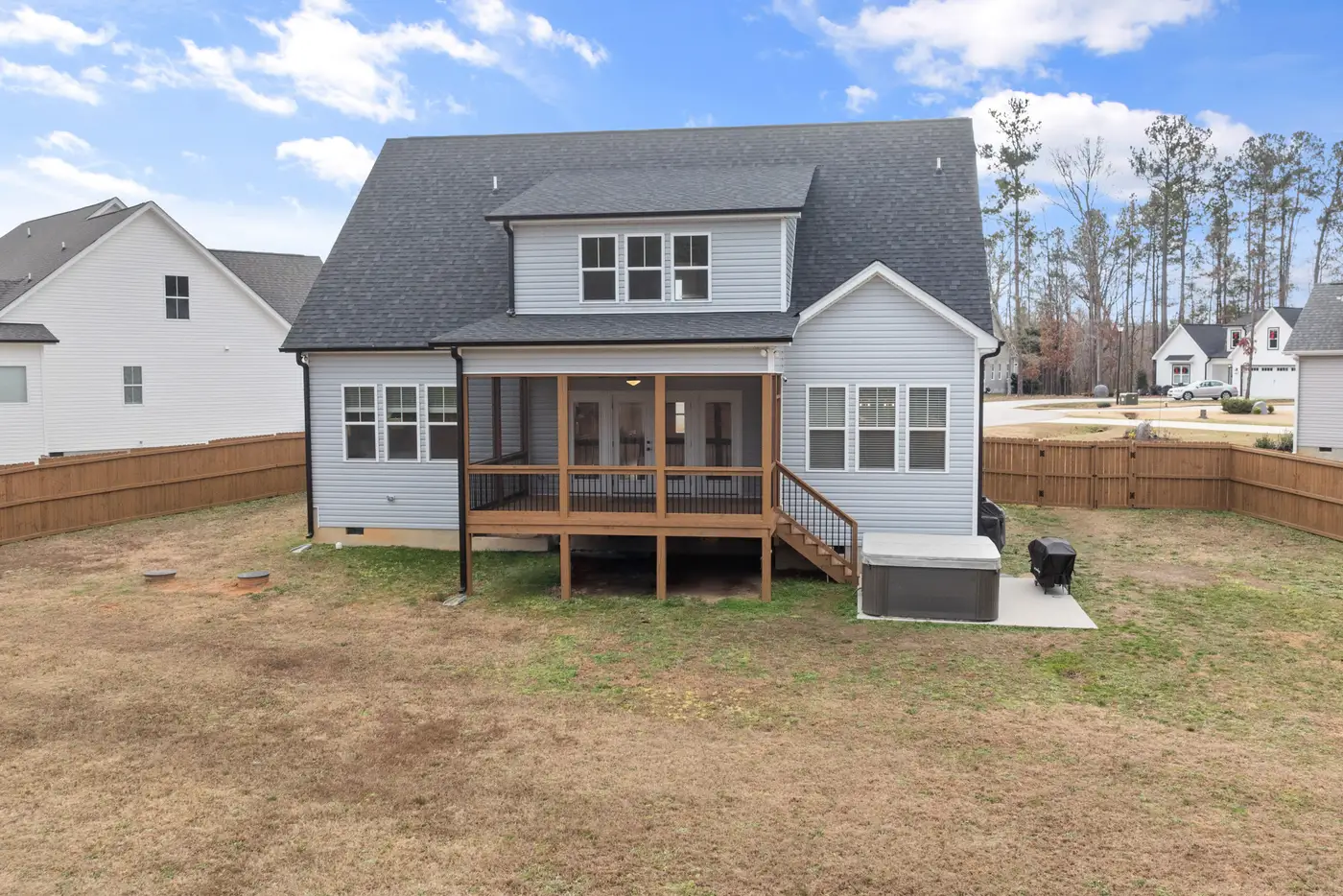
A setback violation is any structure, or part of a structure, that sits closer to a property line than the zoning code allows for that lot. Front, side, and rear setbacks each have their own required distance, set by the zoning district and sometimes by lot size or street classification. When a wall, a foundation, a deck post, or an overhang crosses that line, the parcel is out of compliance whether or not a permit was ever pulled.
The confusion most residents run into is assuming a setback violation only means "too close to my neighbor." It also covers the front setback from the street right-of-way and the rear setback from an alley or adjoining lot. A garage built four feet off the side line in a zone that requires six feet is a violation even if the garage itself had a permit, if the permit was issued against the wrong distance or the as-built location drifted from the approved plot plan during construction.
What a setback actually measures
The code measures from the property line to the nearest point of the structure, not from the center of the wall and not from the roofline unless your ordinance specifically includes eaves and overhangs (many do, with a separate allowance of a foot or two). Foundations, bay windows, chimneys, and attached decks all count as part of the structure for this purpose. Detached accessory structures, sheds, carports, pool equipment enclosures, usually have their own, smaller required setback, which is why a shed that would be fine in the side yard can still violate the rear setback if it's pushed too close to an alley.
Fences and freestanding walls are typically governed by height, not setback, in most codes. A six-foot fence on the property line is routine. The same fence reclassified as a retaining wall supporting fill, or a wall over a certain height, can trigger a different section of code entirely. It's worth checking the ordinance's definitions section before calling something a setback issue when it might actually be a height or lot-coverage issue instead.
Common ways a setback gets violated
Most setback problems in a jurisdiction's backlog fall into a handful of patterns: a room addition built to the edge of an existing nonconforming wall instead of the current required line, a detached garage or workshop sited by eye rather than by survey, a deck or patio cover added after the original permit closed out, and additions to manufactured or mobile homes that push past the pad's approved footprint. Pools and spas get flagged too, since many codes set a separate setback for water features and their equipment pads that's easy to miss if the contractor was only thinking about the main structure.
Infill on a parcel that already has a nonconforming setback is its own category. If a house was built decades ago five feet off the line in what's now a code requiring ten, any new construction on that parcel usually has to meet the current standard, even if it's just extending an existing wall.
How these violations usually surface
In most departments, setback encroachments get found one of three ways: a neighbor complains, a surveyor flags it during a title or refinance survey, or an inspector happens to drive by during an unrelated call. All three are reactive. None of them tell you how many other parcels in the same subdivision have the same problem, because the builder who skipped the survey on one lot often skipped it on several.
Confirming an encroachment on a specific parcel
Confirming a suspected violation still comes down to a site survey tied to the recorded plat, and that step doesn't change. What can change is how a jurisdiction decides which parcels are worth sending a surveyor to in the first place. Unpermitted Construction Detection compares the built footprint against the permit register every quarter and produces a parcel-keyed list of structures that don't match what was declared, including the extensions and infill that tend to carry a setback problem along with the missing permit.
If your backlog is built entirely on complaints and drive-bys, it's worth seeing what a quarterly, jurisdiction-wide comparison turns up instead.