What a certificate of occupancy is, and why code enforcement flags the missing ones
A certificate of occupancy gets treated like paperwork until the day a structure burns, floods, or collapses with people inside it and nobody on staff can say whether it was ever cleared to be occupied at all. Then it's the first document everyone asks for.
What the certificate actually certifies
A CO is not the building permit. The permit authorizes the work. The certificate of occupancy is issued after the work is done, after the final inspection (framing, electrical, plumbing, fire, whatever the occupancy class requires) confirms the structure as built matches what was approved, and after the building official signs off that it's safe to use for its stated purpose. No final inspection, no CO. A permit pulled in 2019 with no closing inspection and no certificate is an open file, not a finished one, and in a lot of jurisdictions that file sits open for years because nobody circles back to it until a complaint or a sale triggers a records pull.
A temporary certificate of occupancy (TCO) is its own thing: a time-limited allowance to occupy while a short list of minor items gets closed out. Departments that don't track TCO expiration dates end up with buildings occupied on a document that lapsed two years ago, which functionally puts them back in "no final inspection" territory even though a CO was issued at some point.
CO on file, none ever issued, and occupied without final
These are three different findings and they get handled differently once flagged.
CO on file. The permit closed out properly. The file has a final inspection date and a certificate number. This is the baseline everything else gets compared against.
None ever issued. A permit exists, work was inspected partway, and then the trail stops. Sometimes the contractor walked off the job and the homeowner finished it themselves. Sometimes the last inspection failed and was never rescheduled. Either way, the structure may be occupied right now on a permit that never closed.
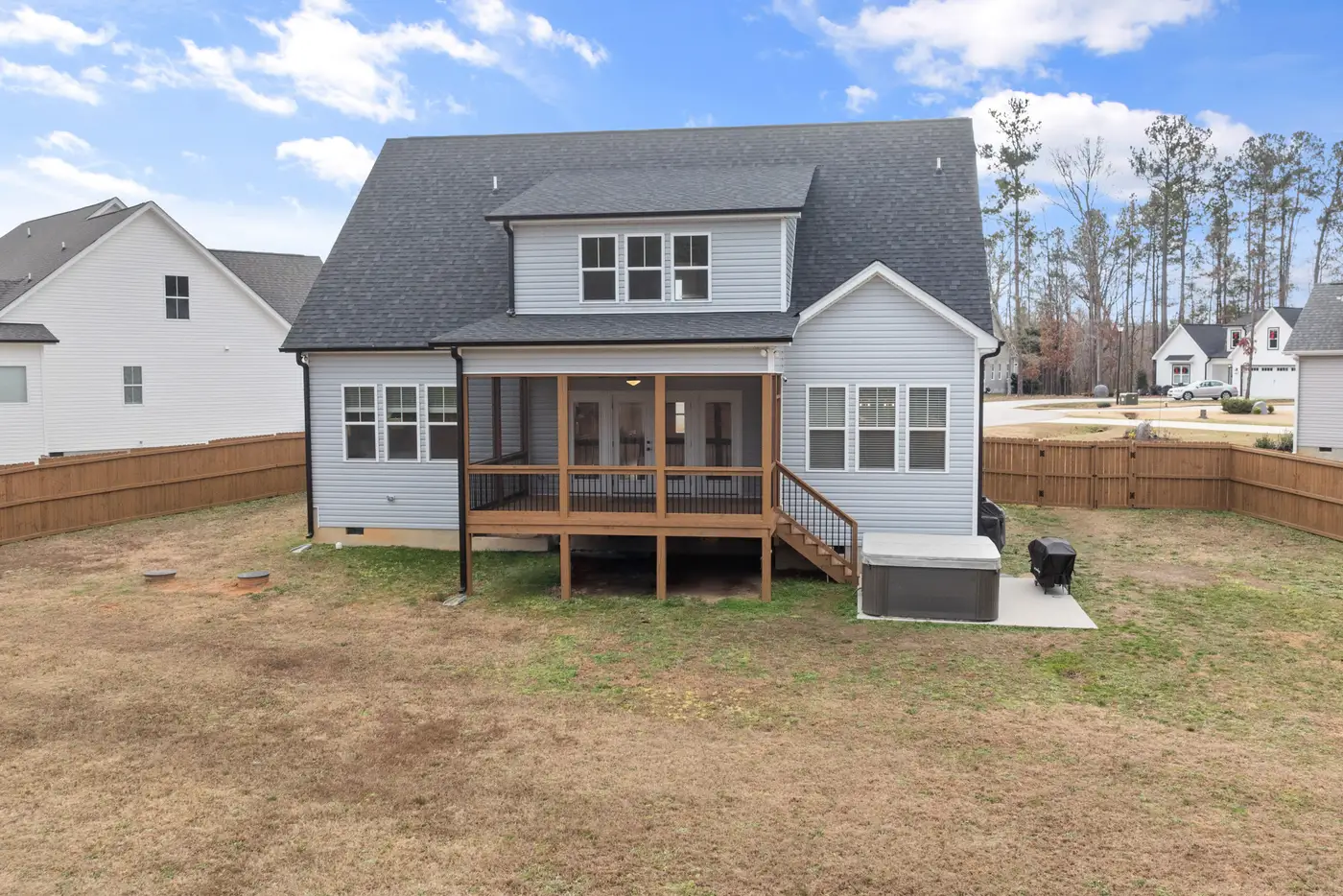
Occupied without final inspection. This is the one that tends to surprise people who haven't pulled the cross-reference before. There's an address with people living or working in it, and the jurisdiction's own records show either no permit at all for the current configuration, or a permit with no corresponding certificate. An addition gets built onto the back of a house, a garage gets converted to living space, a basement gets finished out as a rental unit, and the structure gets used the day the drywall goes up, permit status notwithstanding.
That last category is where code enforcement spends most of its time, because it's not a records-keeping problem, it's an active-use problem. A vacant shell with no CO is a priority to close out eventually. An occupied structure with no CO is a priority now, especially if it's a rental, a daycare, an assembly use, or anything where an occupancy load matters.
Why this surfaces on enforcement's radar at all
Most departments find these the way they find most unpermitted work: a neighbor complains, a code officer happens to drive past, or a records clerk notices the gap during an unrelated transaction (a refinance, a business license application, a change of ownership). None of those are systematic. They catch whatever's visible or whatever someone happens to report, which in a jurisdiction of any size is a small fraction of what's actually out there without a final sign-off.
The gap between what's built on a parcel and what's on record for that parcel is exactly what a quarterly comparison of the built environment against the permit register is built to surface, parcel by parcel, instead of waiting on a tip or a drive-by. If your CO backlog is really an unknown number of occupied structures you haven't matched against the register yet, Unpermitted Construction Detection is built around closing that gap on a recurring schedule rather than reconstructing it case by case after an incident.
Get on the waitlist to see how a flagged, parcel-keyed list compares against your own permit register.