Nonconforming use vs. unpermitted construction: what's the difference?
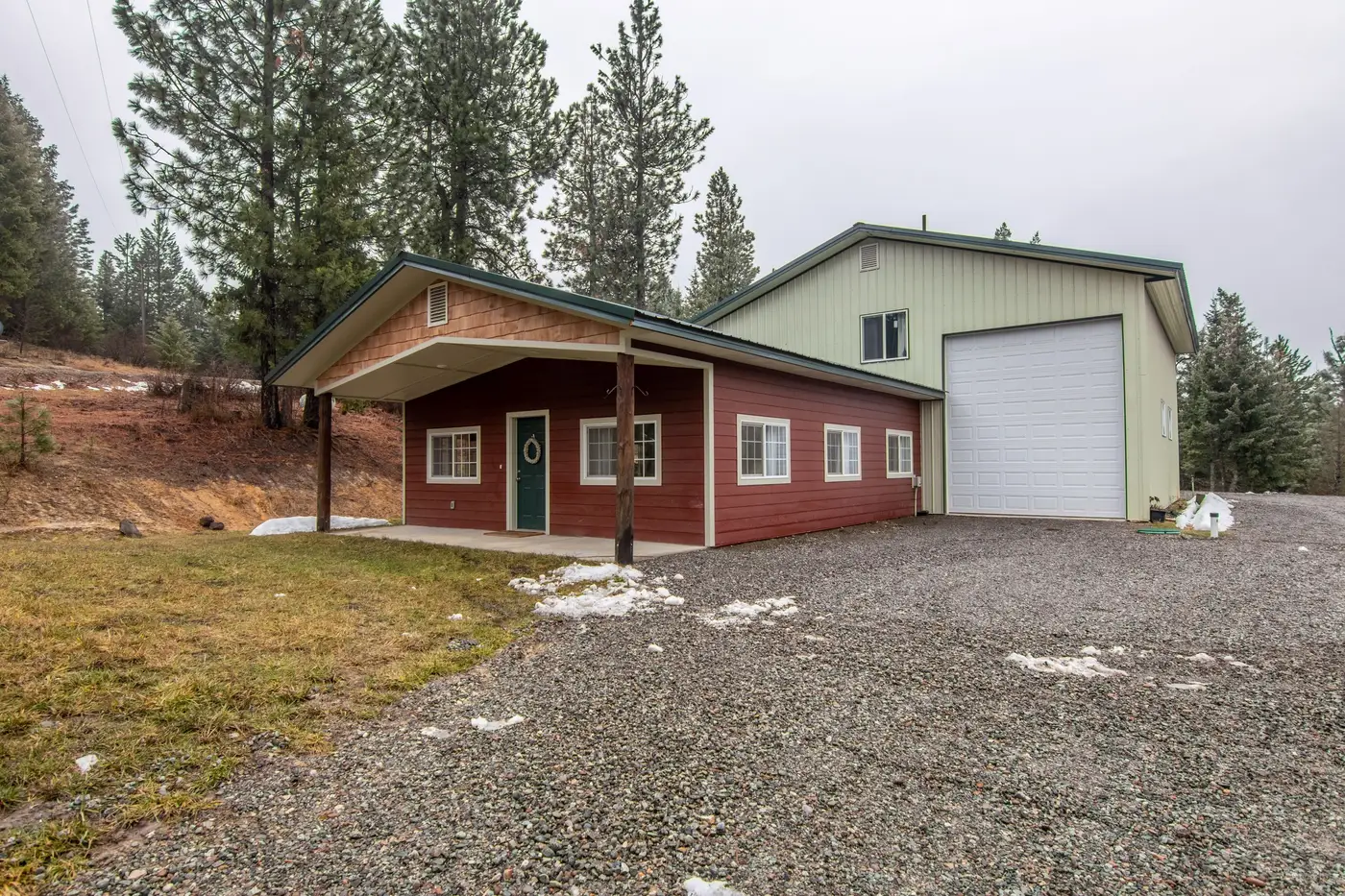
A property owner shows up with an old photo and says "this has been here since before the zoning changed, so it's grandfathered." Sometimes that's true. Sometimes what they're pointing at is a carport nobody ever pulled a permit for, built in 2019, and "grandfathered" has nothing to do with it. These two situations get tangled together constantly, and the tangle costs staff time: the wrong finding can mean a legal structure gets cited, or an illegal one gets waved through on the assumption it's protected.
Nonconforming use is a question of zoning: a use or structure that complied with the rules in effect when it went up. Unpermitted construction is a question of permitting: work that was never authorized to begin with, regardless of whether it would conform today. A property can be one, the other, both, or neither, and the tests for each don't overlap.
A legal nonconforming use was permitted when it was built
A legal nonconforming use (sometimes called a legal nonconforming structure) exists when a use or structure complied with the zoning and building code in effect at the time it was built or established, and the code changed afterward. The corner grocery in a block that got rezoned residential, the four-unit building on a lot now zoned for single-family, the setback that was fine under the old ordinance and isn't under the current one: these are grandfathered because the jurisdiction's own rules shifted under them, not because the owner skipped anything.
That protection usually isn't unconditional. Most zoning codes cap how long a nonconforming use can sit vacant before it loses its status, restrict expansion of the nonconforming footprint, and terminate the protection if the structure is substantially damaged or demolished. A planner confirming nonconforming status is checking permit history, the zoning map as it stood on the relevant date, and the code's own sunset and expansion provisions. It's a records exercise, and the structure itself was legitimate on day one.
Unpermitted construction never had that day one
Unpermitted construction is a different animal entirely: work done without the permit the code required at the time, full stop. An addition built without a building permit, an accessory dwelling unit with no electrical or plumbing inspection on file, a garage converted to living space with nothing in the file at all. There's no "the rules changed" defense available, because the question isn't whether the use fits current zoning. It's whether the work was ever authorized to begin with. A structure can be perfectly consistent with today's zoning and still be unpermitted, if nobody ever applied for the permit.
This is also where the two get confused in the field. A ten-year-old addition can look exactly like a thirty-year-old legal nonconforming structure from the curb. The only way to tell them apart is the permit file: if there's a permit and certificate of occupancy on record from when it went up, you're likely looking at either a conforming structure or a legal nonconforming one. If there's nothing in the file, you're looking at unpermitted work, regardless of how long it's been standing or how well it matches the neighborhood.
Why the distinction drives the enforcement path
Mixing these up has real consequences. Citing a legal nonconforming use as a violation invites an appeal the department will likely lose, and it burns inspector time on a property that was never the problem. Treating unpermitted construction as grandfathered because "it's been there a while" lets work that was never inspected, and may not meet current safety code, sit on the books indefinitely. Neither outcome serves the parcel file or the public record.
Working out which case you've got means pulling the permit history for the parcel and checking it against what's actually standing, structure by structure. That's manageable for a single complaint. It gets harder across a whole jurisdiction, where most unpermitted work only surfaces when a neighbor complains or an inspector happens to drive by. Unpermitted Construction Detection runs that comparison the other way: it checks the built environment against your permit register on a quarterly cycle and flags additions, infill and structures with no match in the file, keyed to parcel, so the gap between what's built and what's on record doesn't depend on who happened to call it in.
If your department is tired of finding unpermitted work by accident, it's worth seeing what a jurisdiction-wide flagged list looks like for your parcels.